
Michel Jones: Chaos in Order Visuals
My role as a Visual Director & Creative lead
・Conceptualized the shoot based on the yin and yang theme.
・Photorgapher and direction, focusing on natural movement without posed instructions.
・Managed lighting and studio setup to emphasize fluidity and contrast.
・Strategized the shoot to capture decisive moments in a dynamic environment.
・Conceptualized the shoot based on the yin and yang theme.
・Photorgapher and direction, focusing on natural movement without posed instructions.
・Managed lighting and studio setup to emphasize fluidity and contrast.
・Strategized the shoot to capture decisive moments in a dynamic environment.
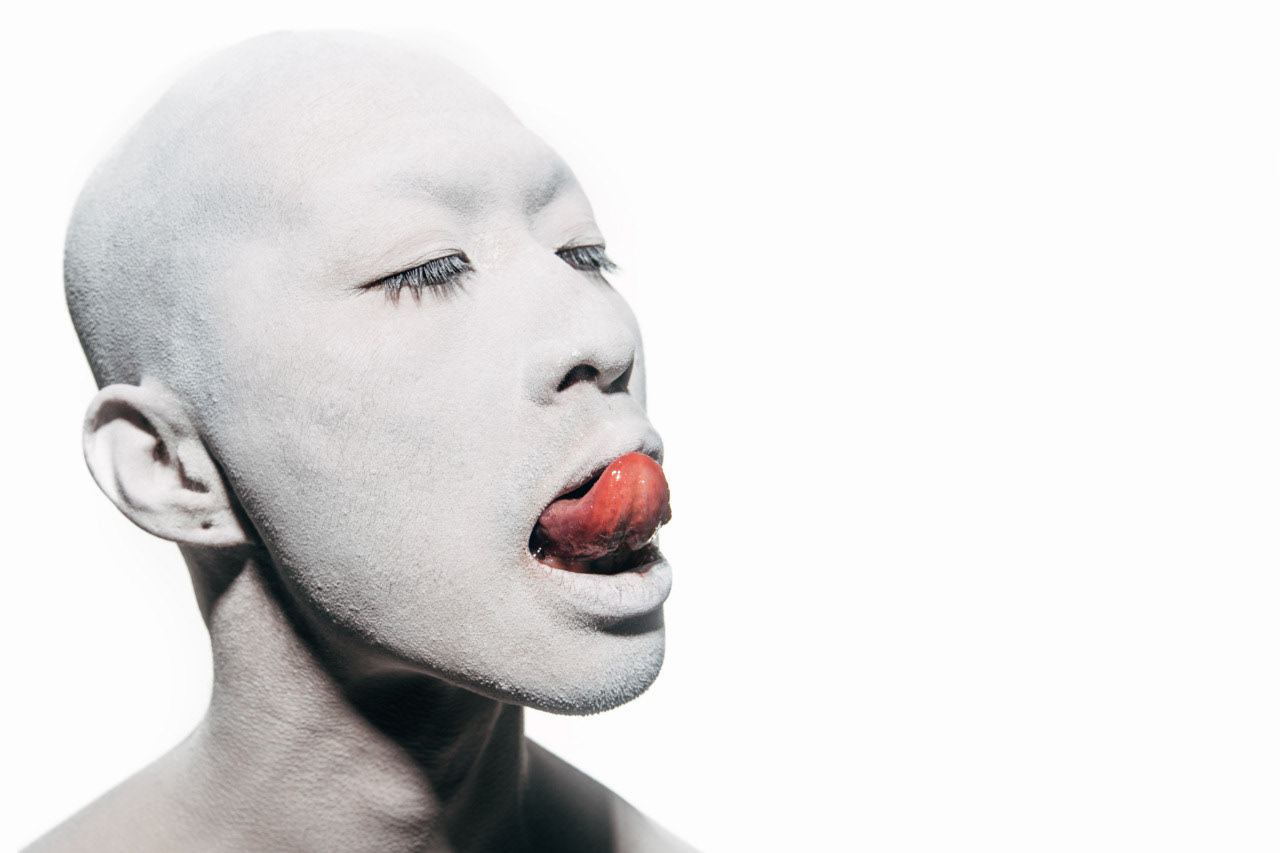
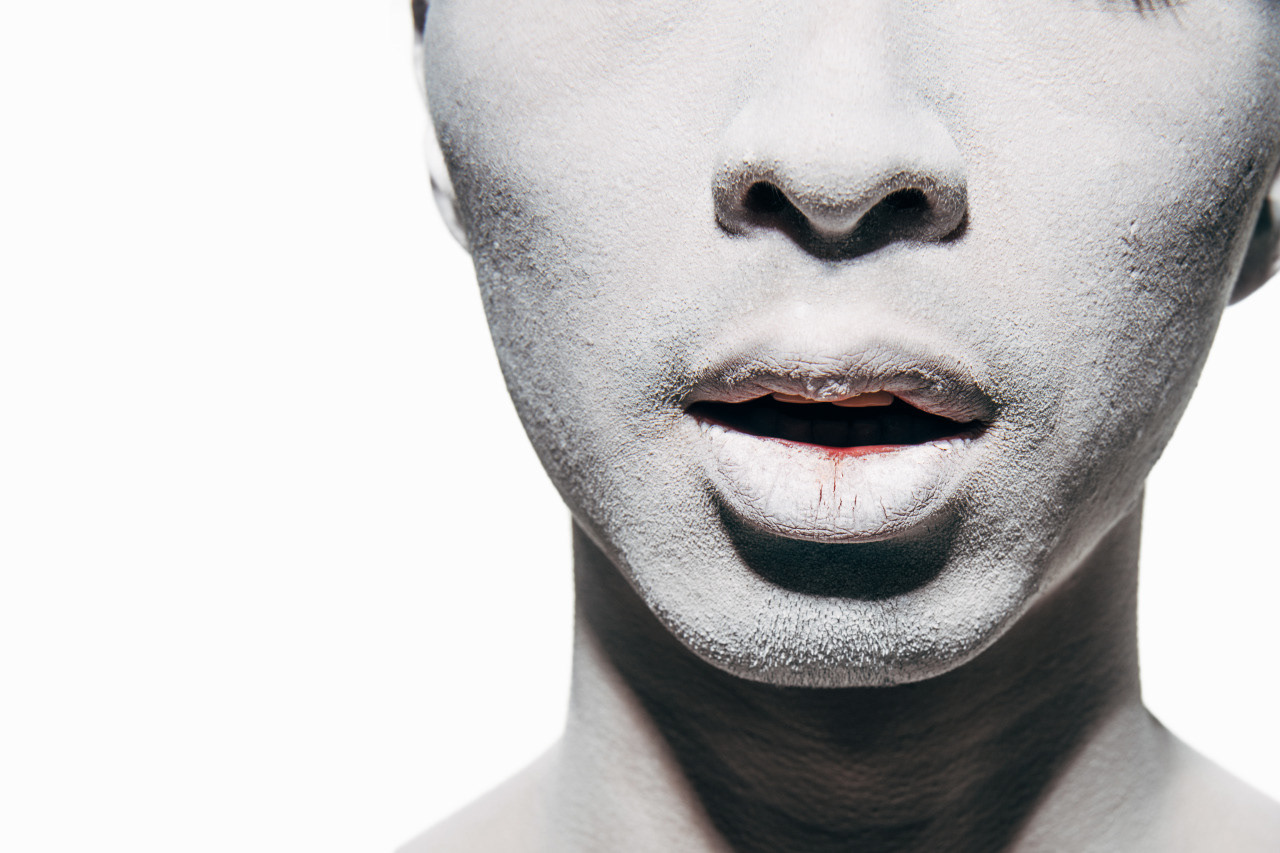
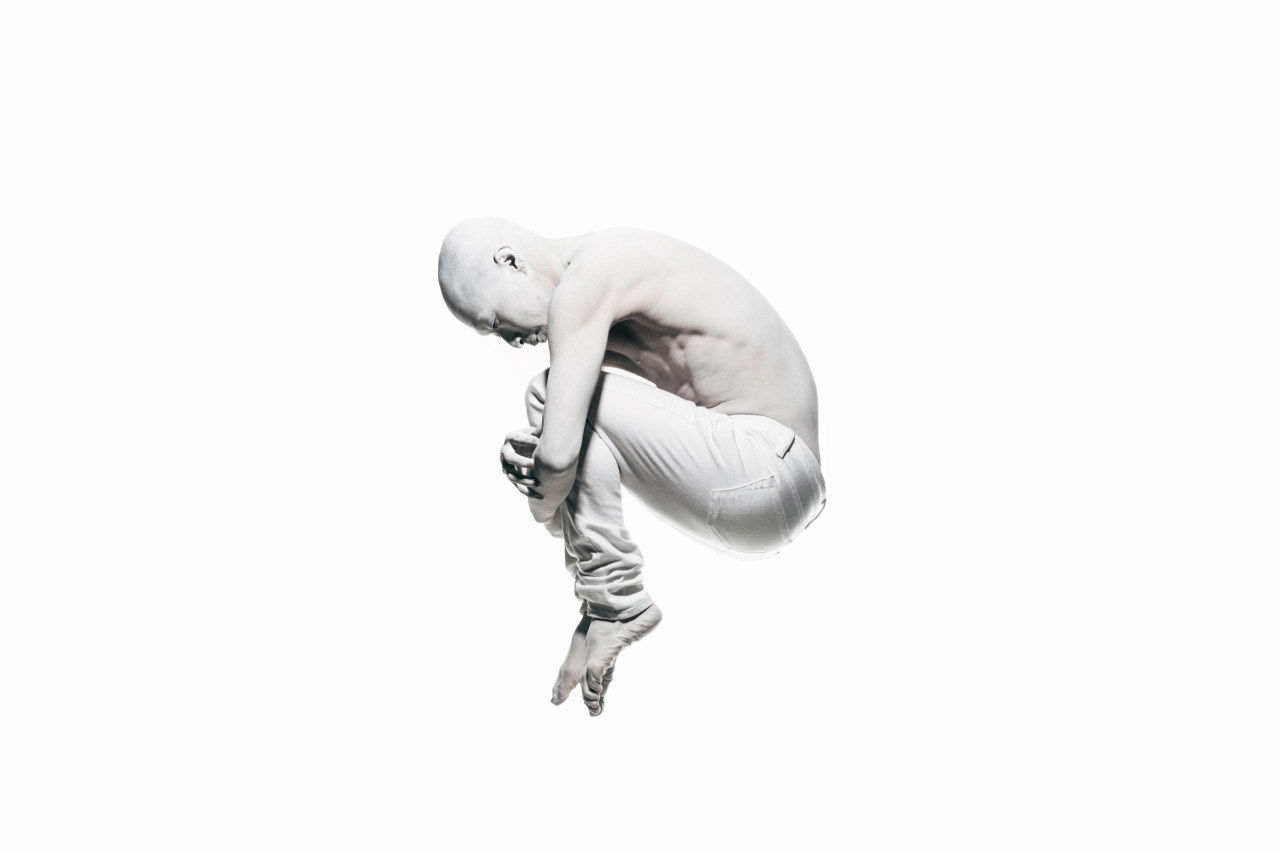
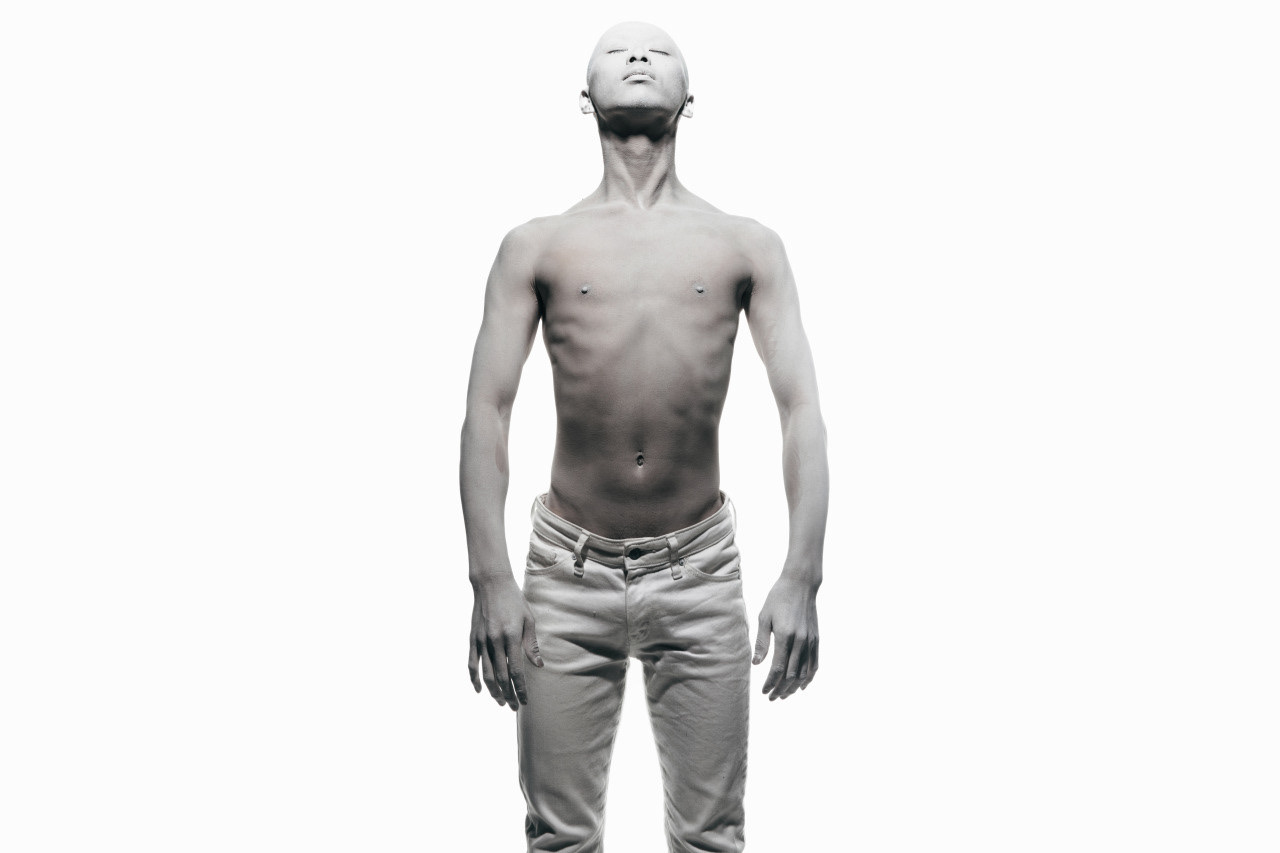
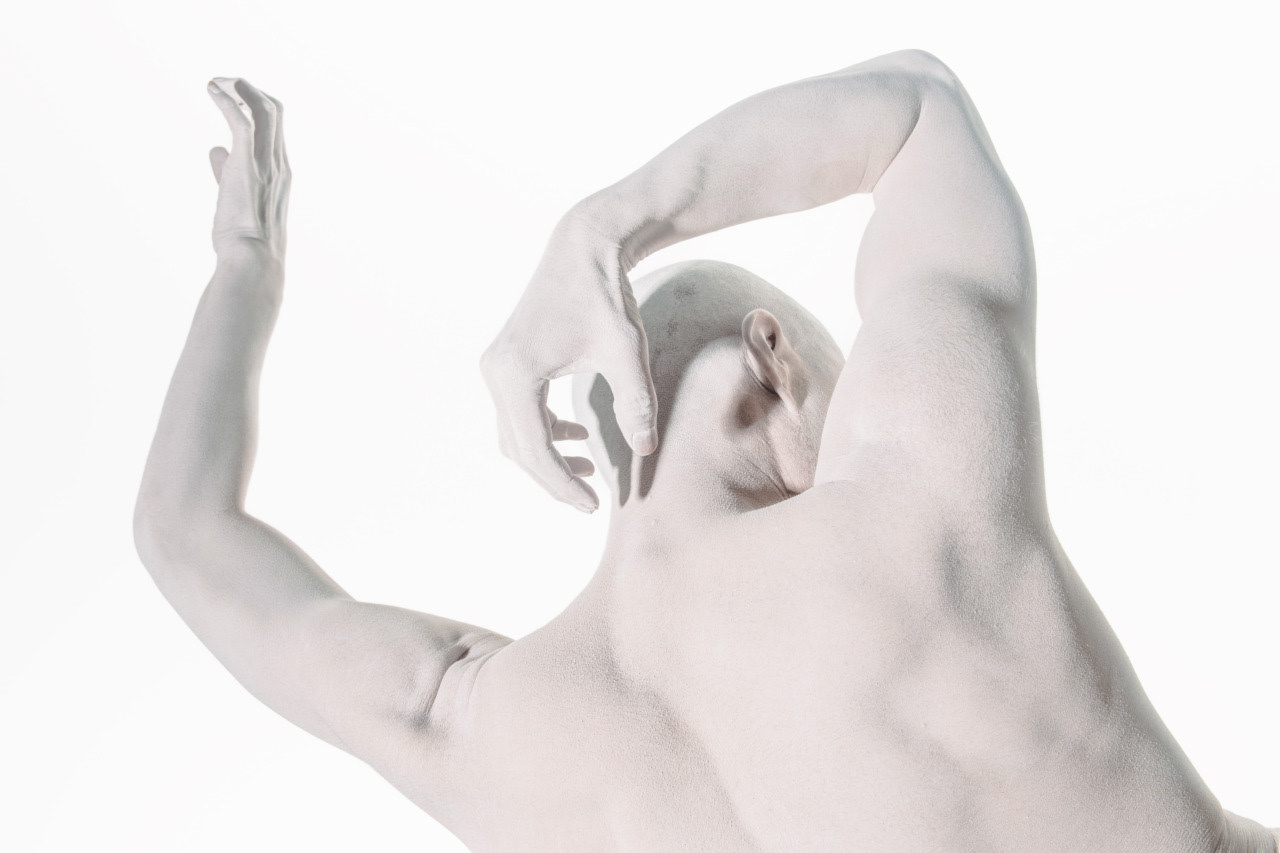
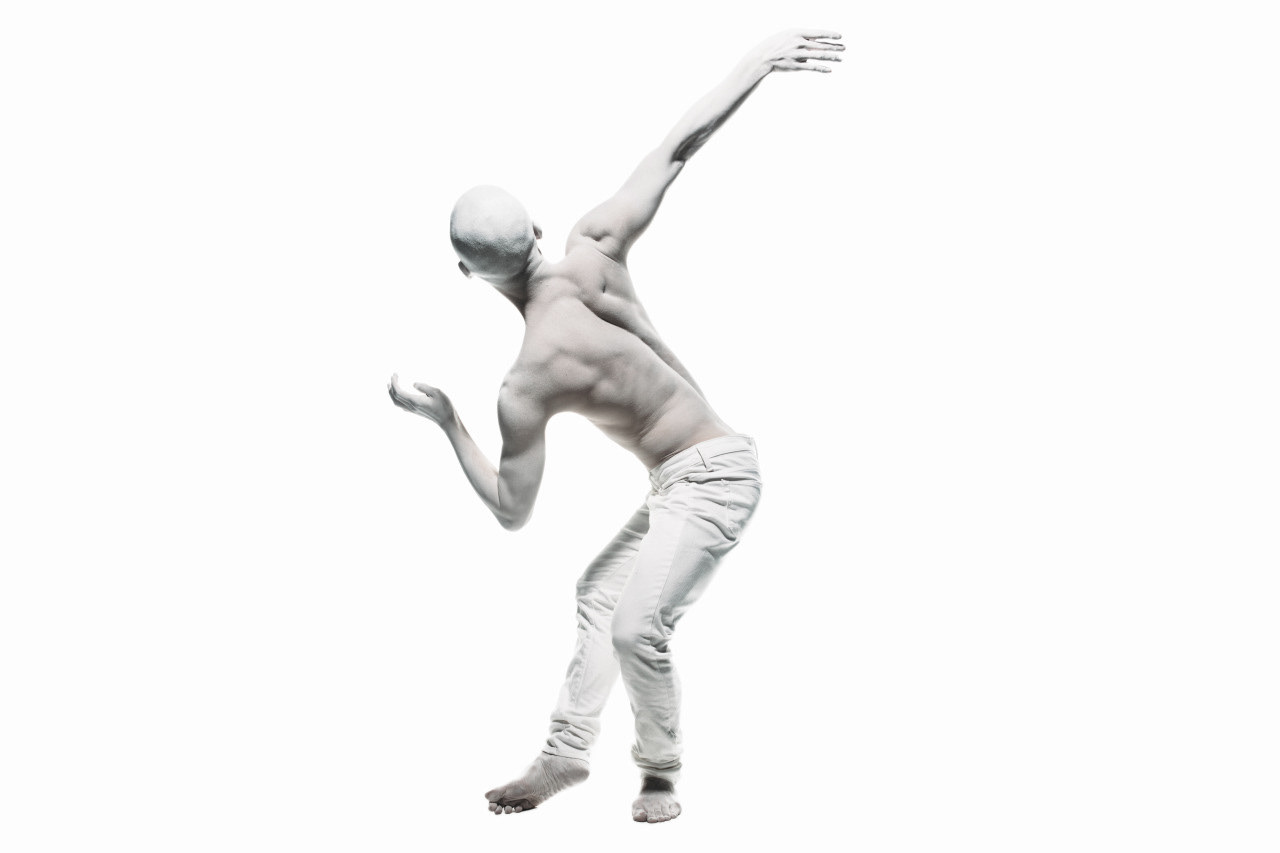
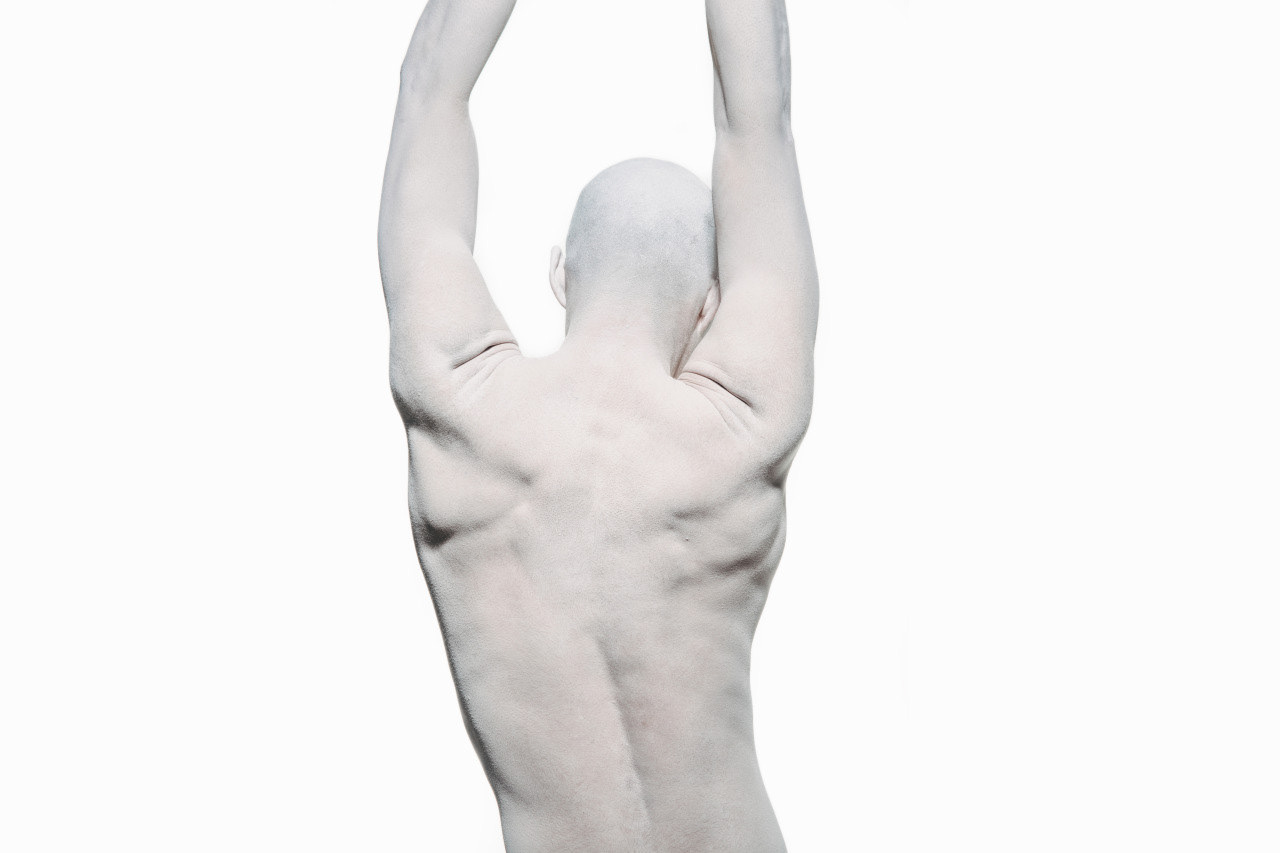
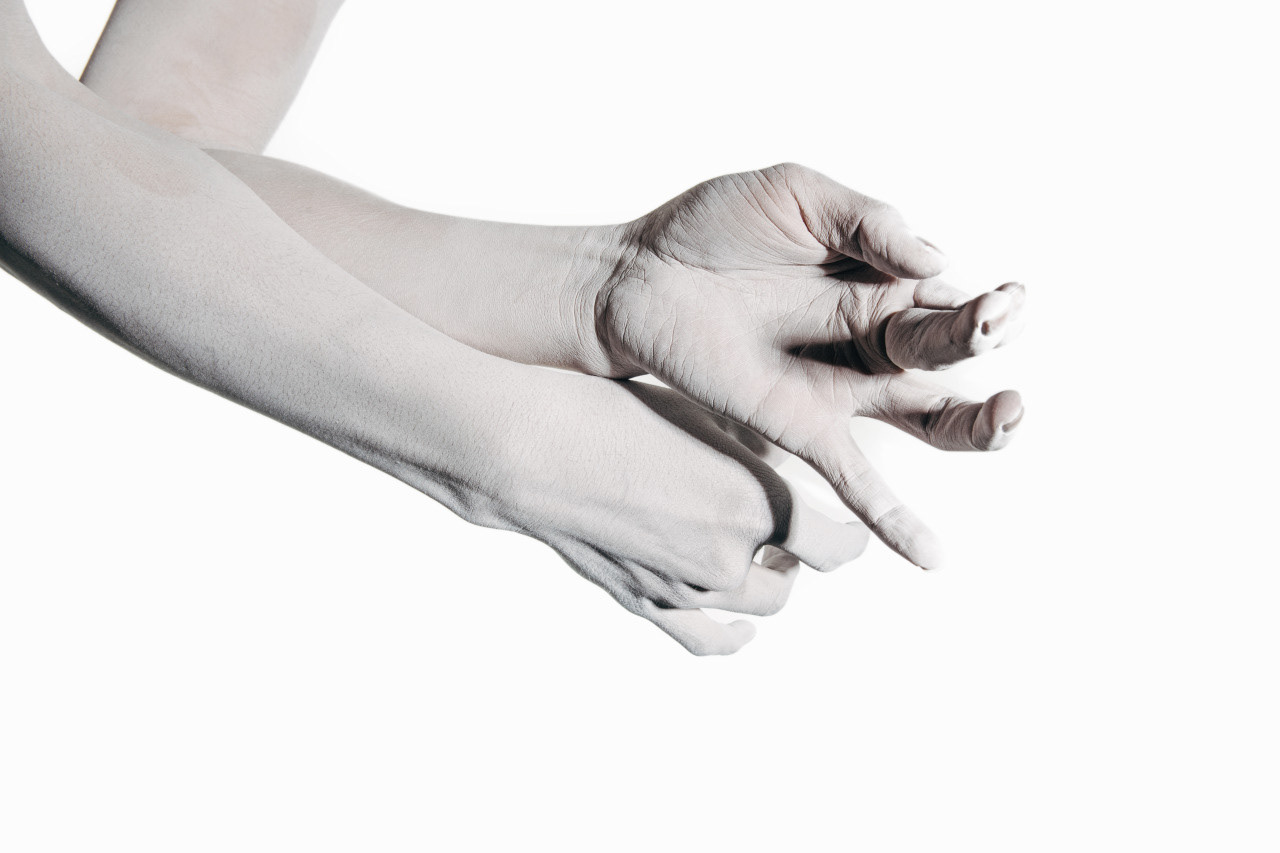
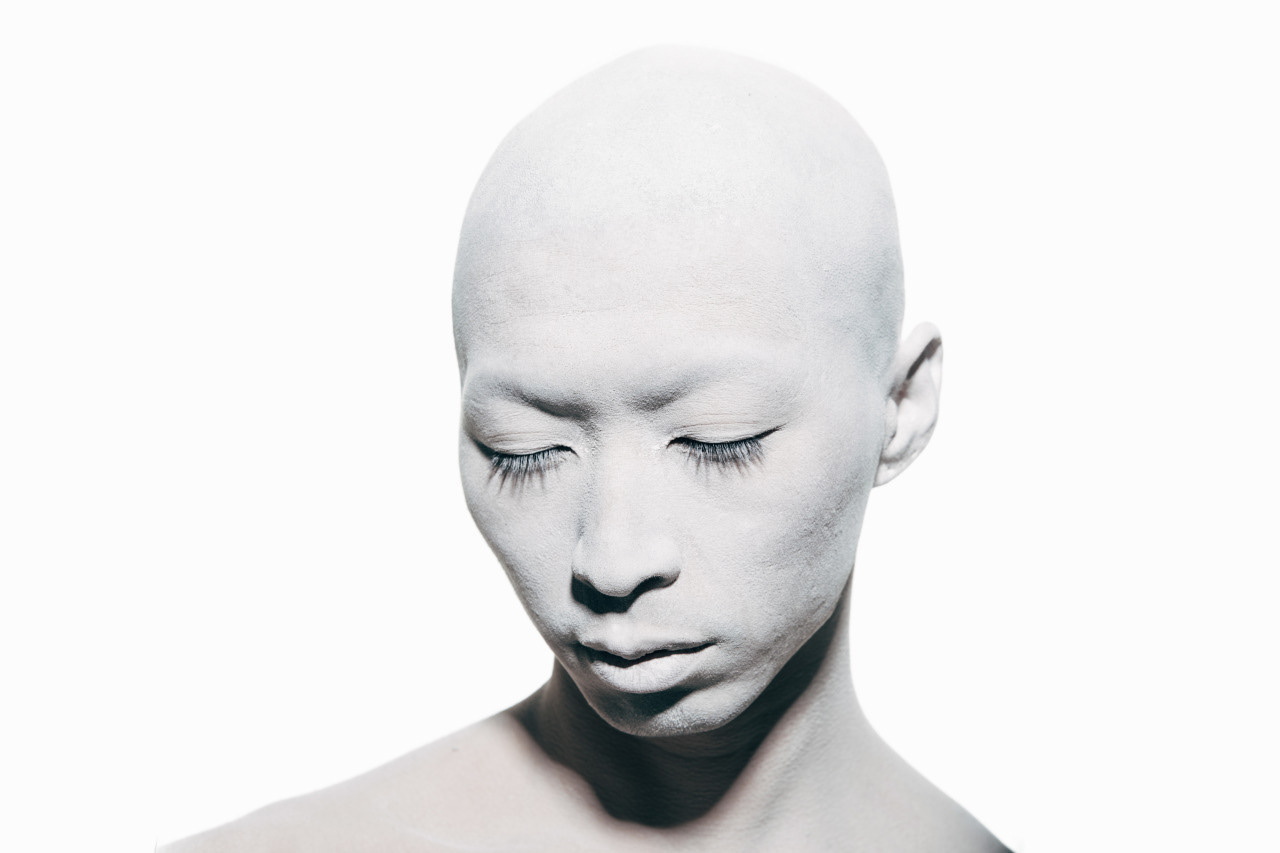
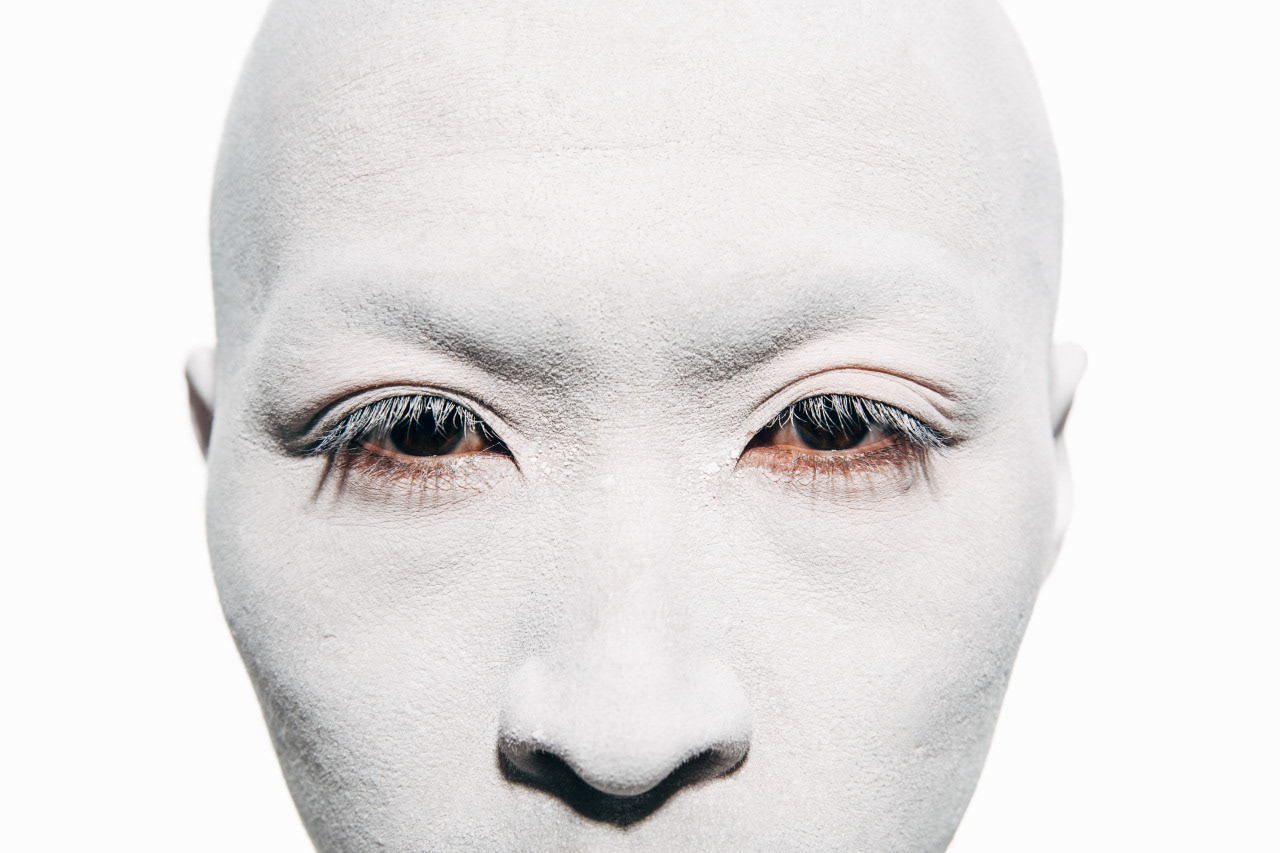
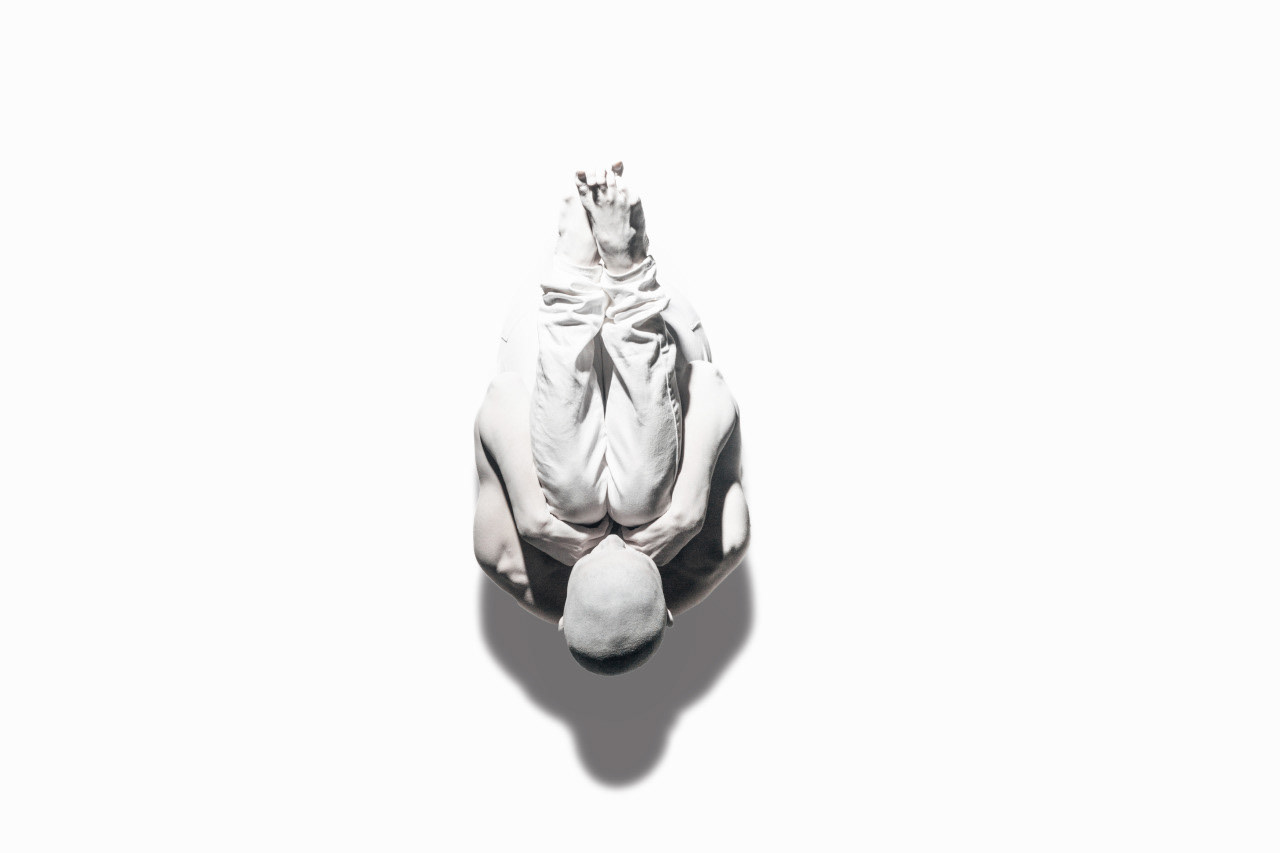
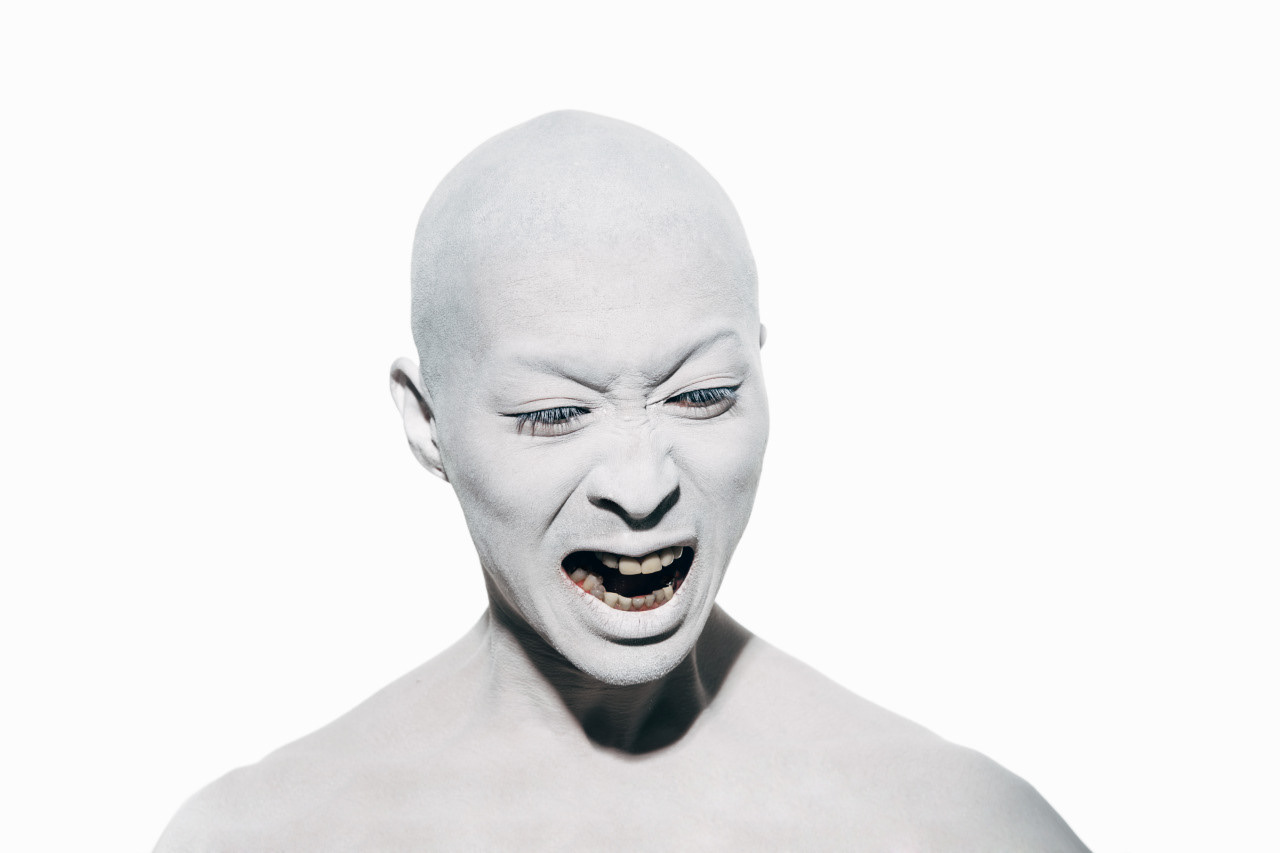
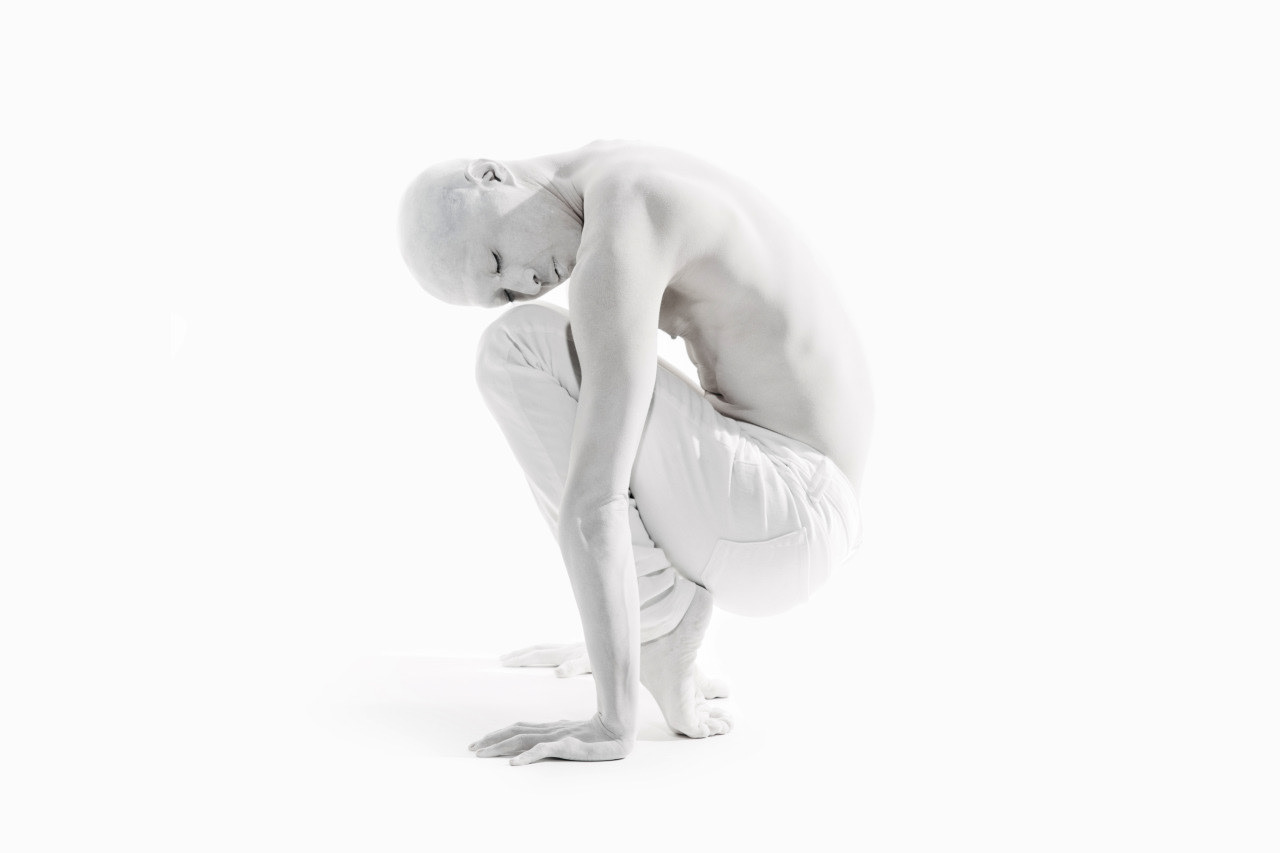
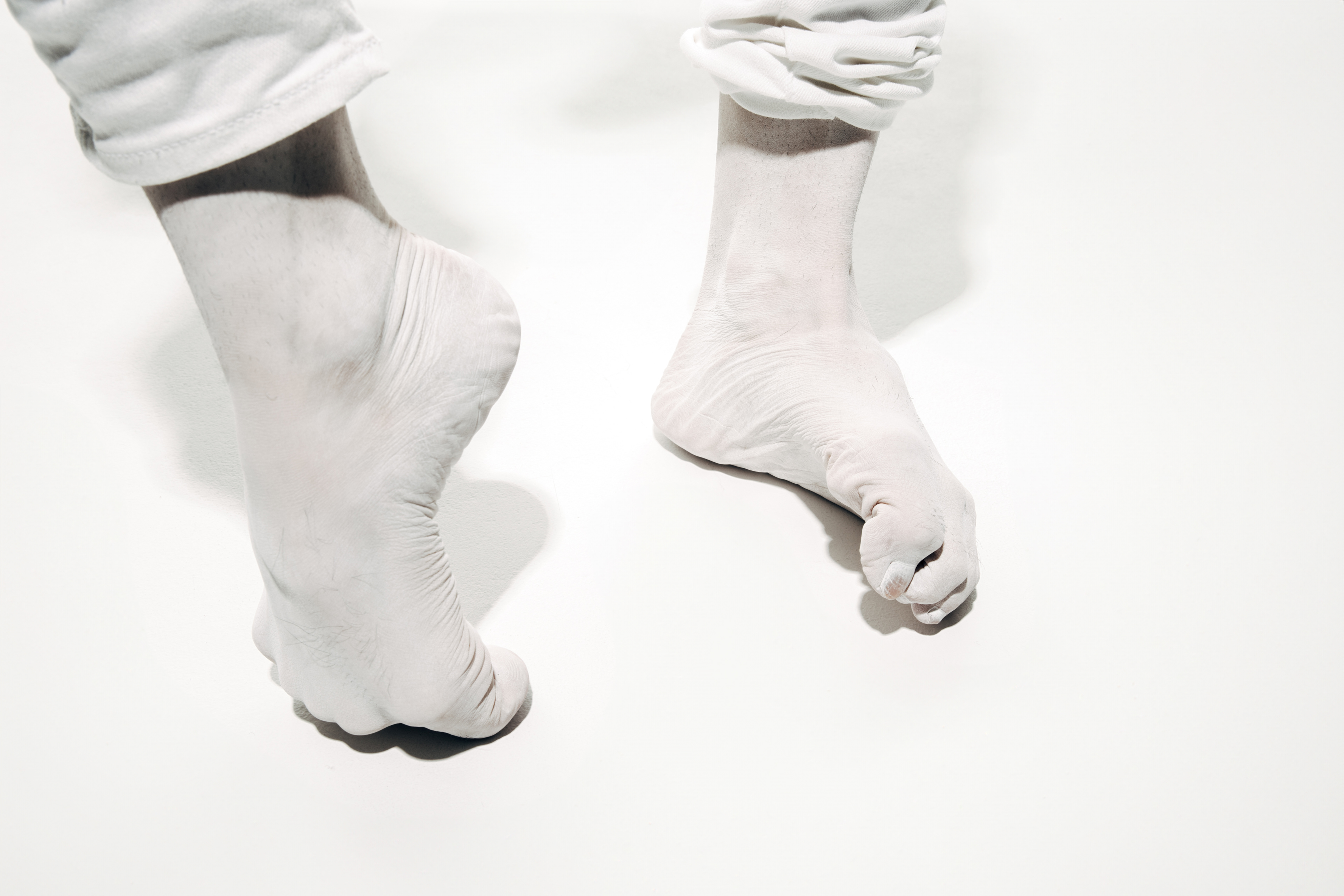
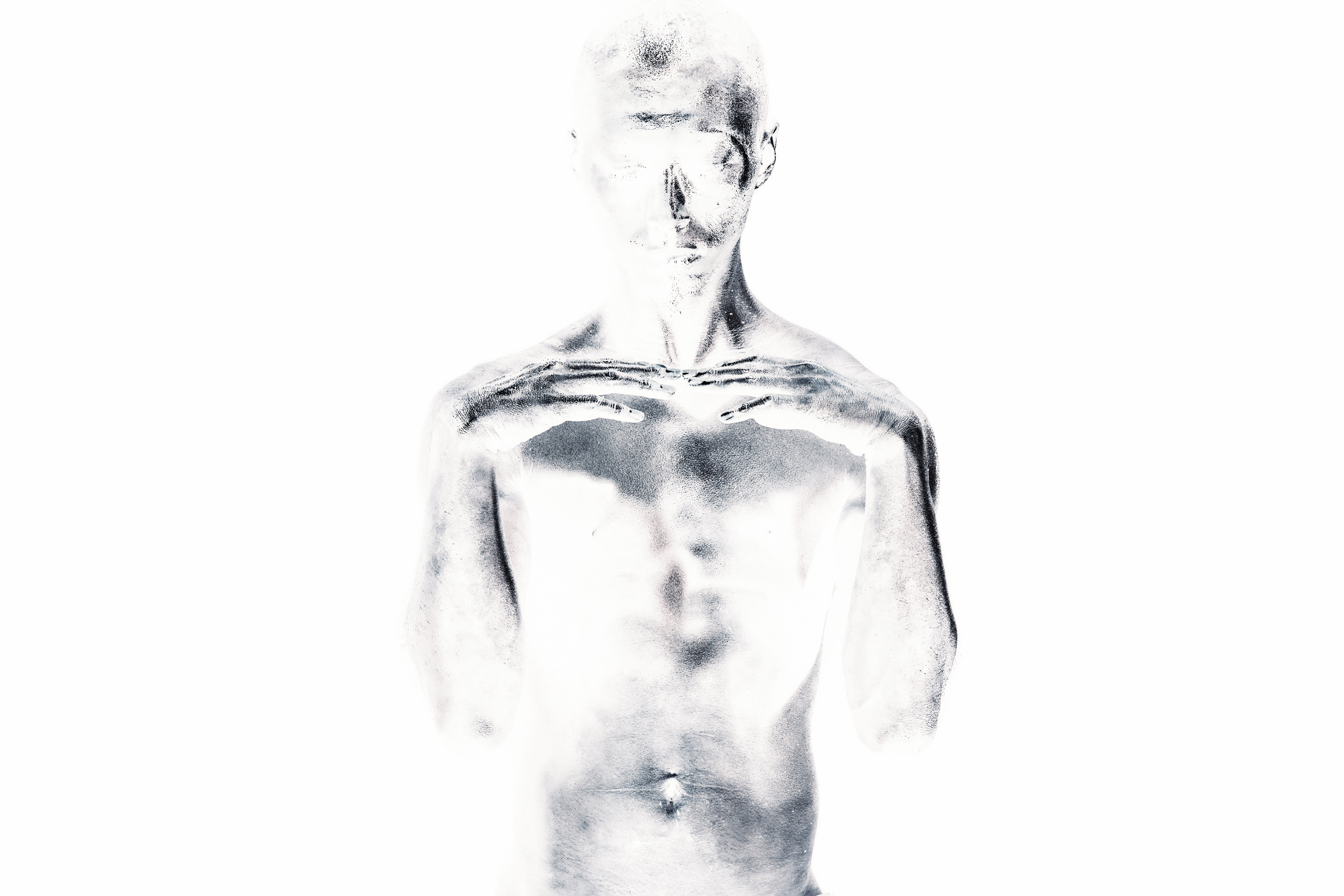
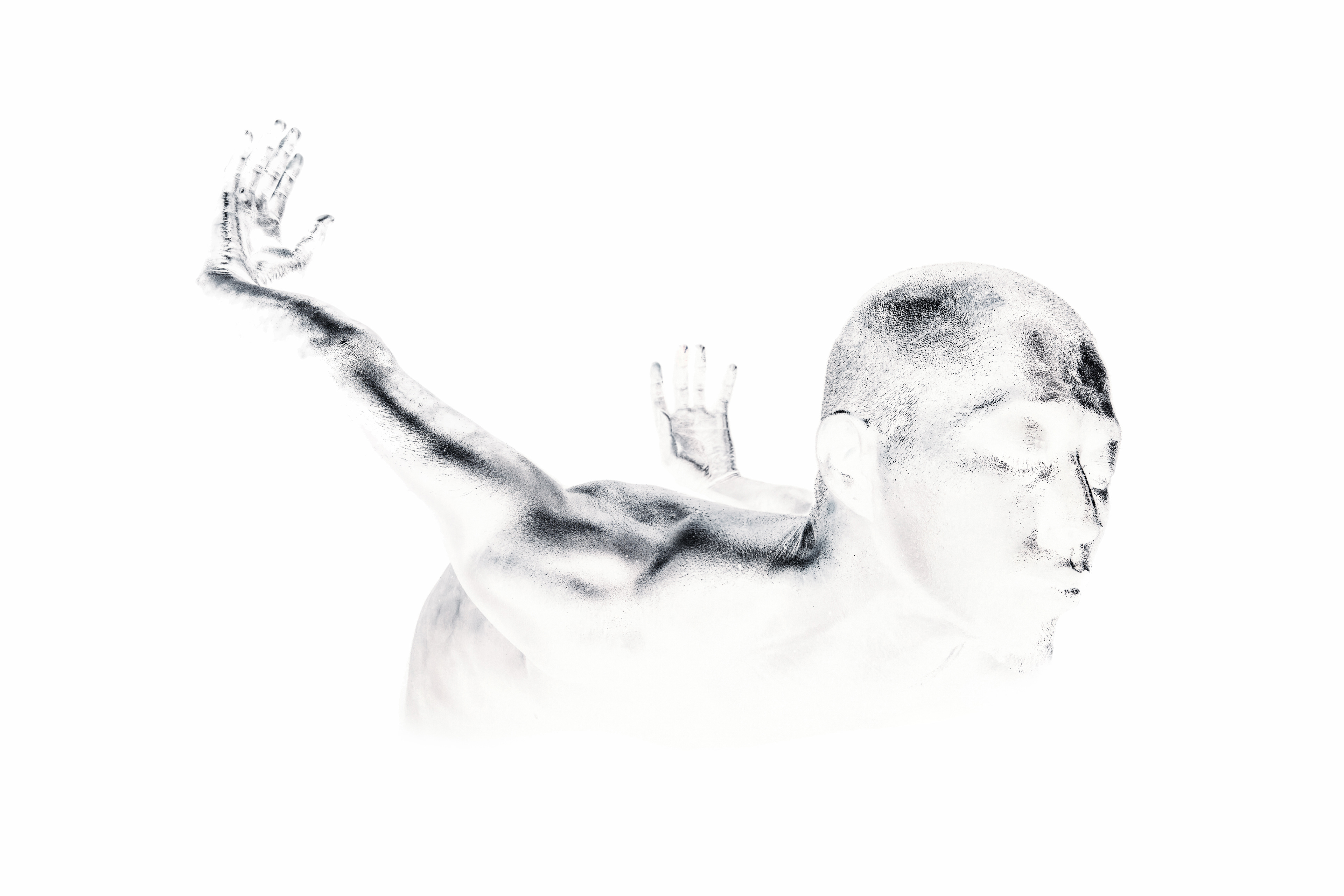
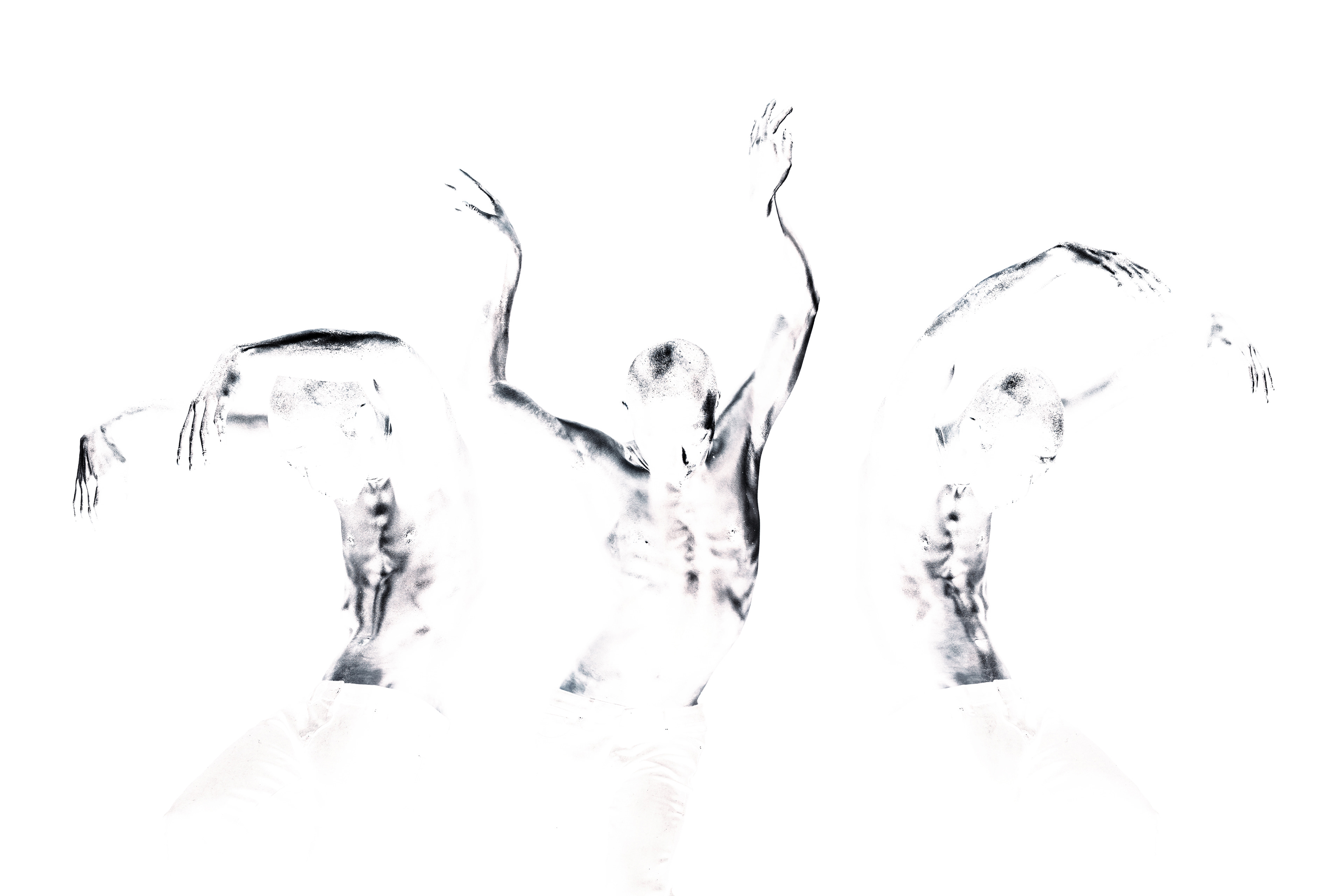
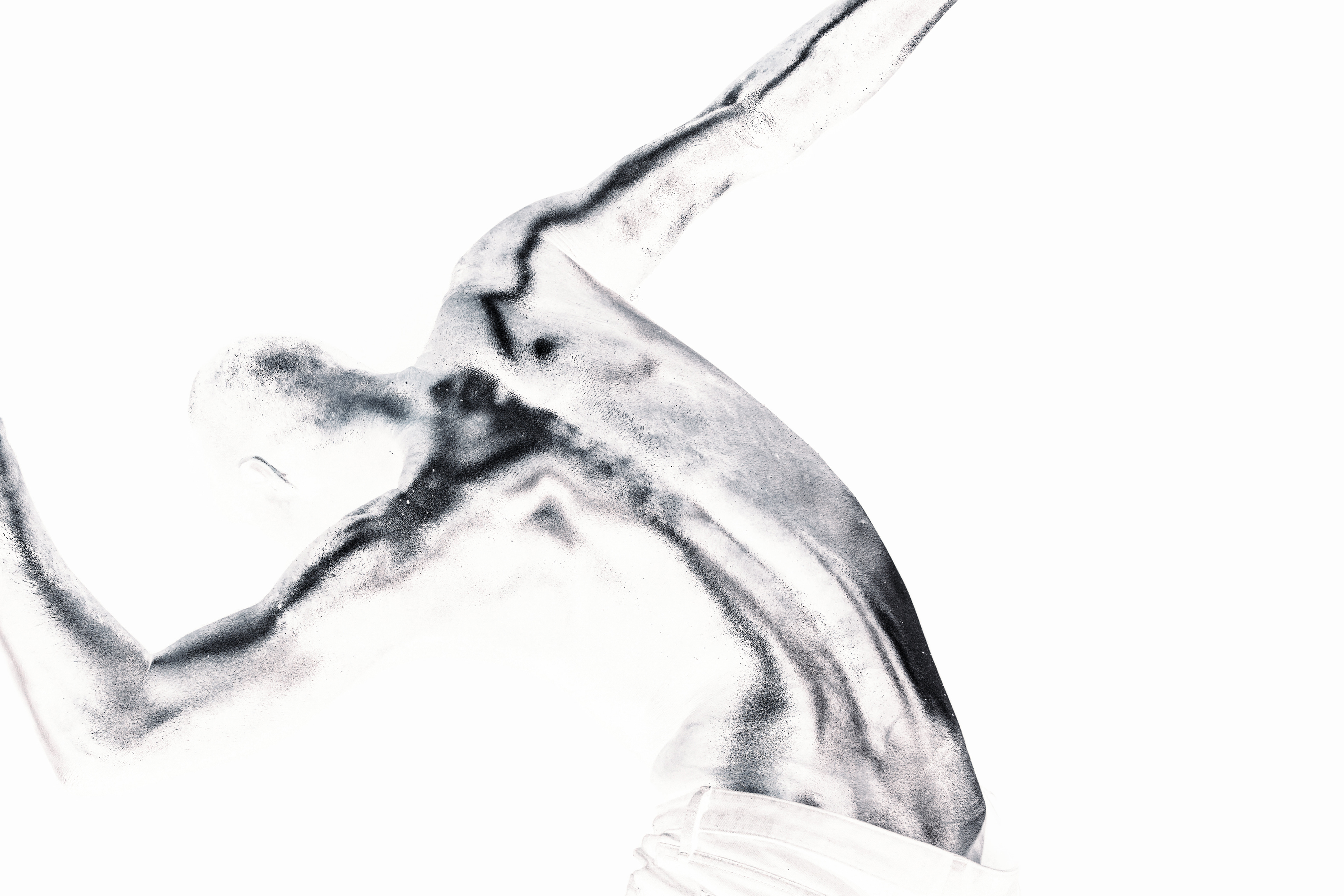
Working together with Norihito Ishii, a distinguished choreographer and Butoh dancer, I ventured into a project that delved into the concepts of Yin and Yang. This effort, carried out in 2015 and 2016, aimed to capture Ishii's dance ideology and the fundamental contrast of life—mixing chaos with order and finding Darkness within Light.
Ishii, who was born in 1984 in Tokyo, moved from street dancing to the deeper realms of Butoh, guided by experts such as Tomohiko Tsujimoto and Ushio Amagatsu. His journey, highlighted by his performances in more than 75 cities in 27 countries, reflects the core themes of our project.
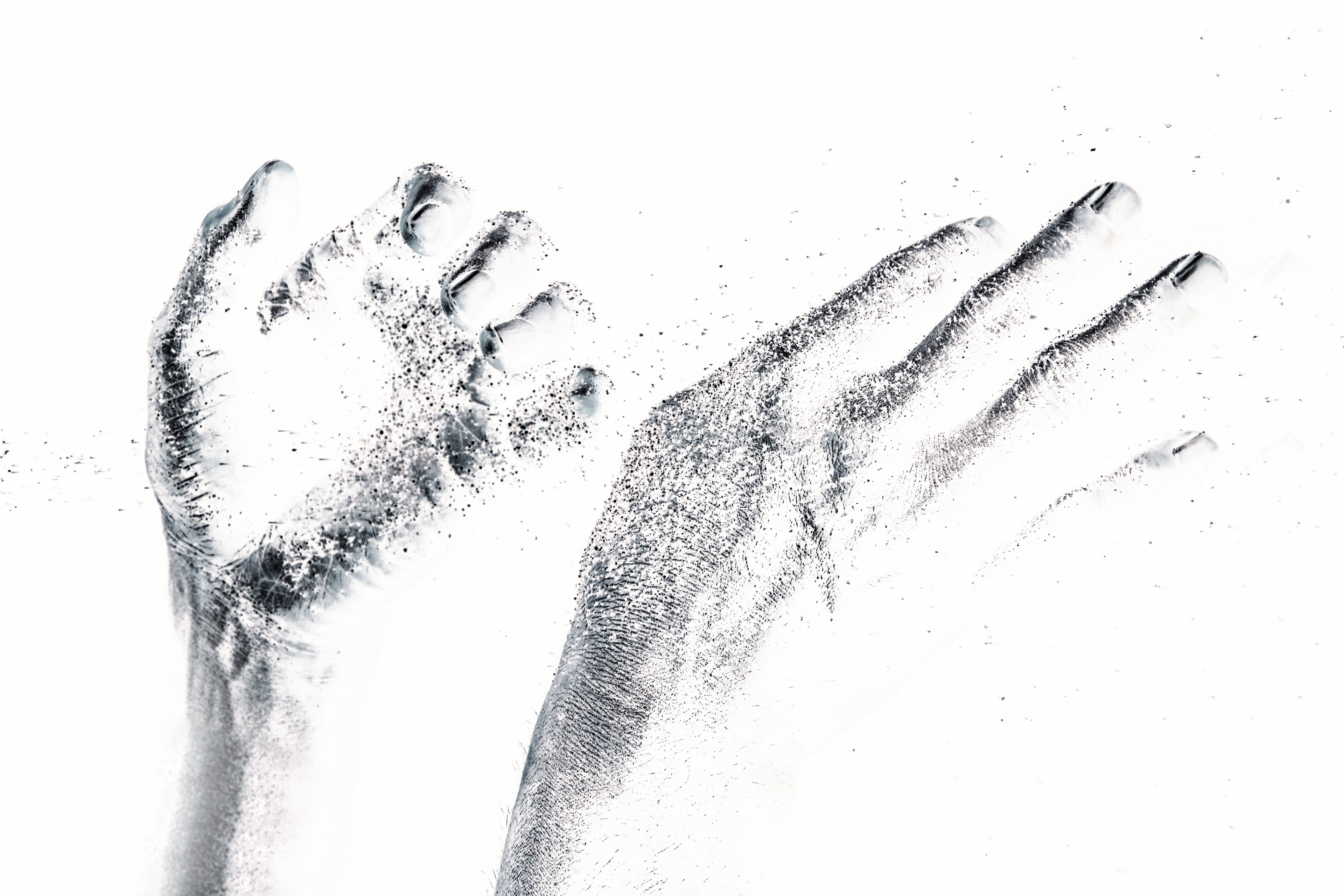
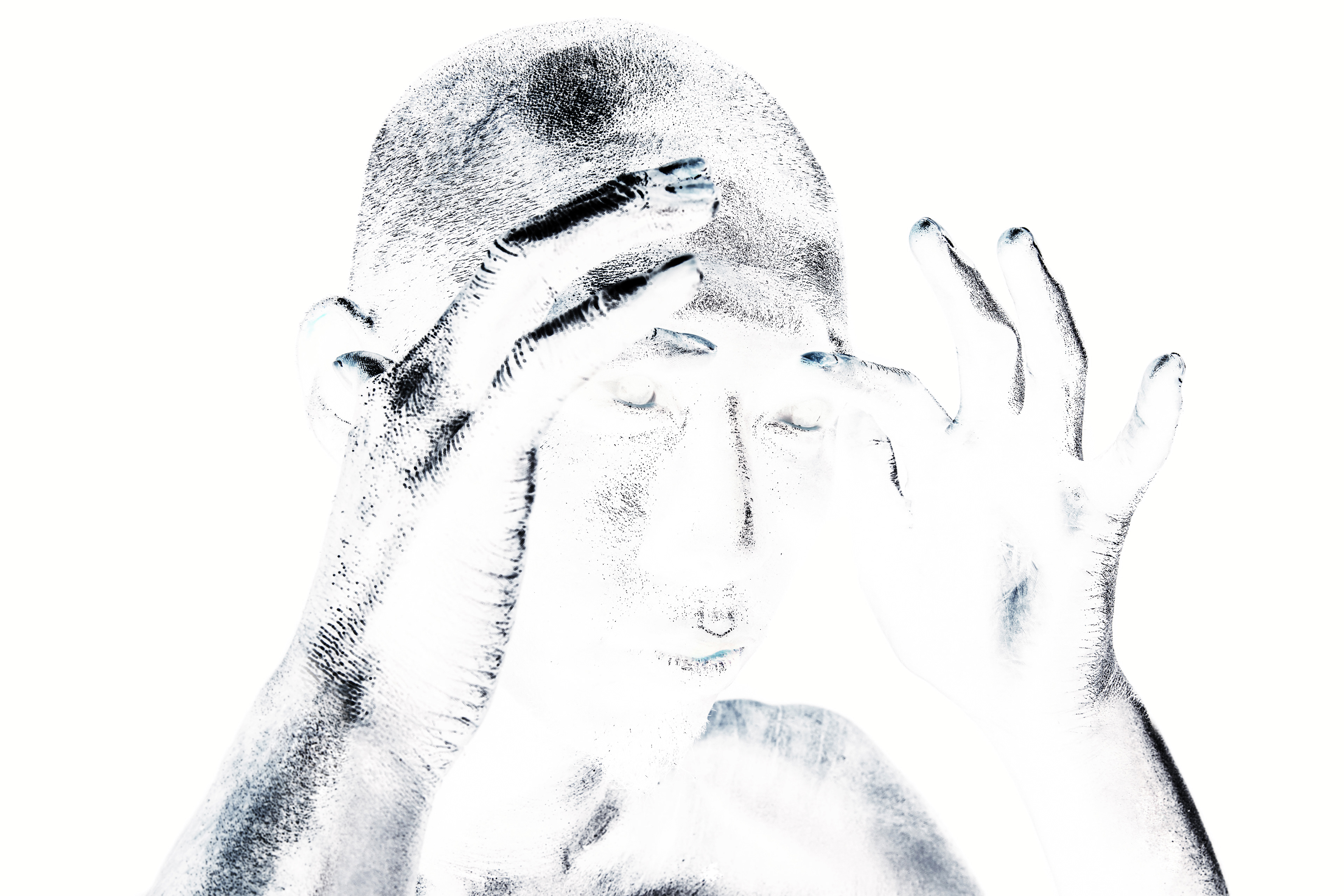
The photo series, taken in a brightly lit white studio, showcases Ishii in the midst of dance, expressing the essence and spontaneous nature of Butoh. There were no specific poses; instead, I synchronized with his rhythm, capturing key moments that connected the physical and the mystical worlds. Through these images, we sought to explore a conversation between the body and the mind, contemplating the inherent beauty and madness that dance brings to light.
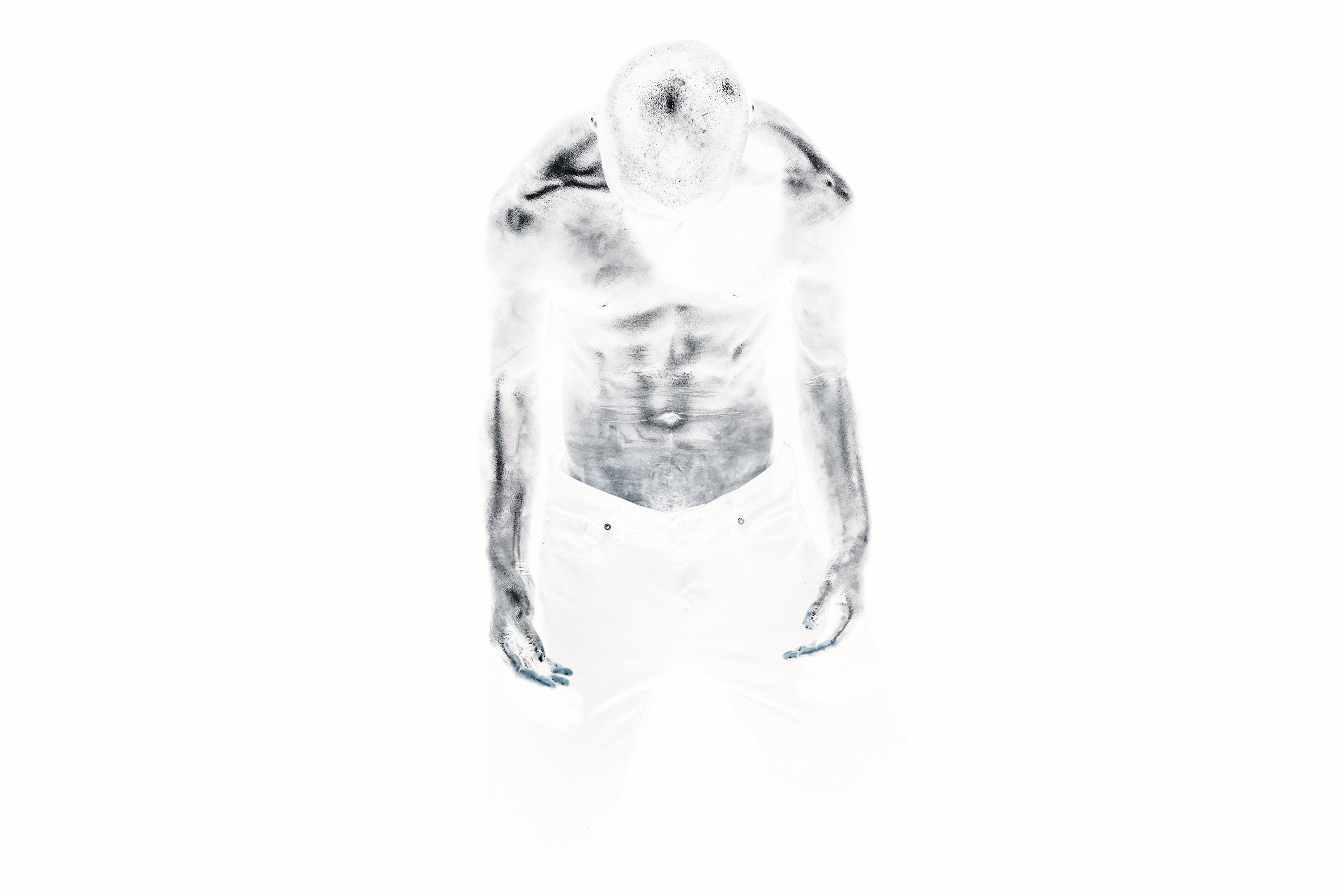
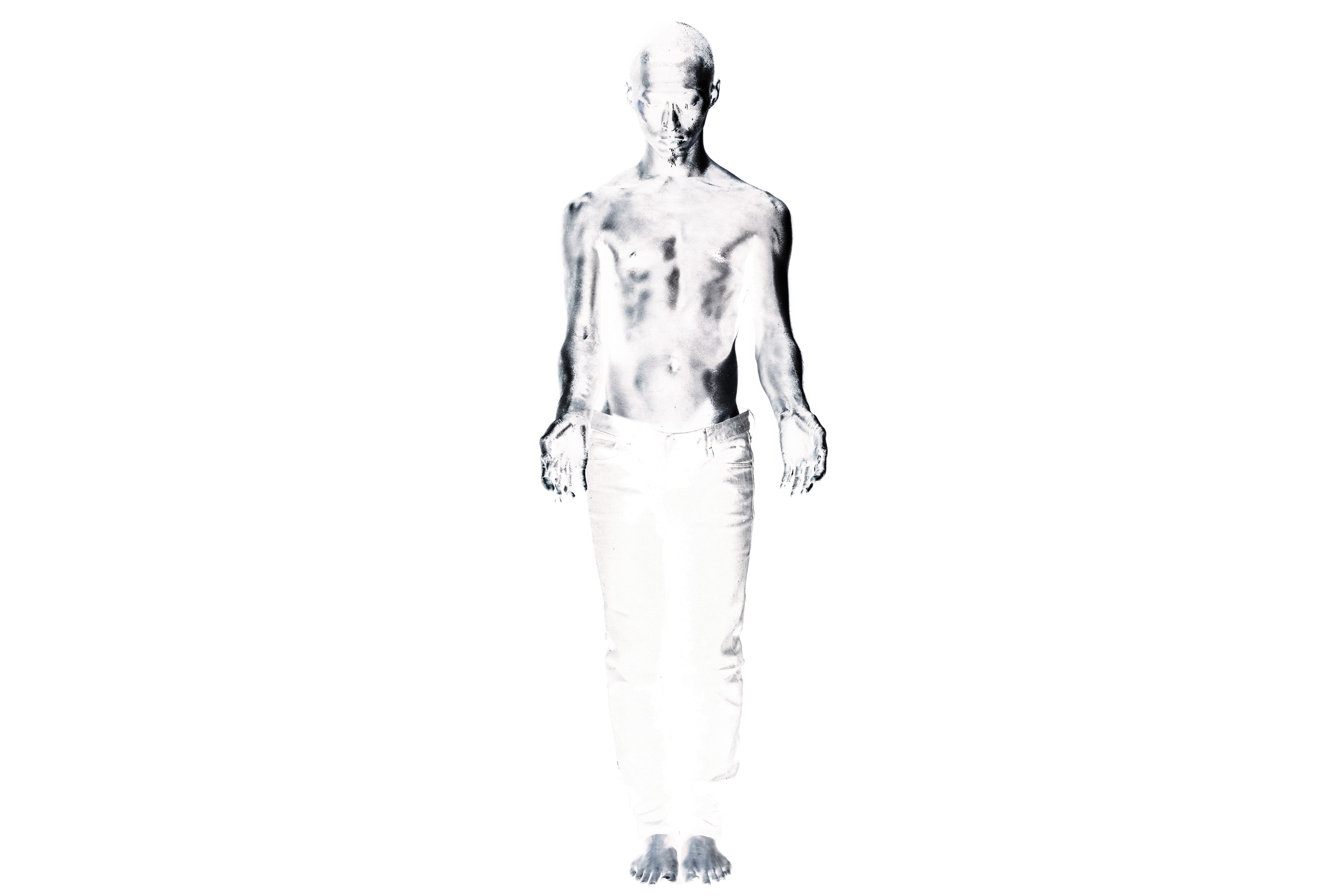
Experimental:
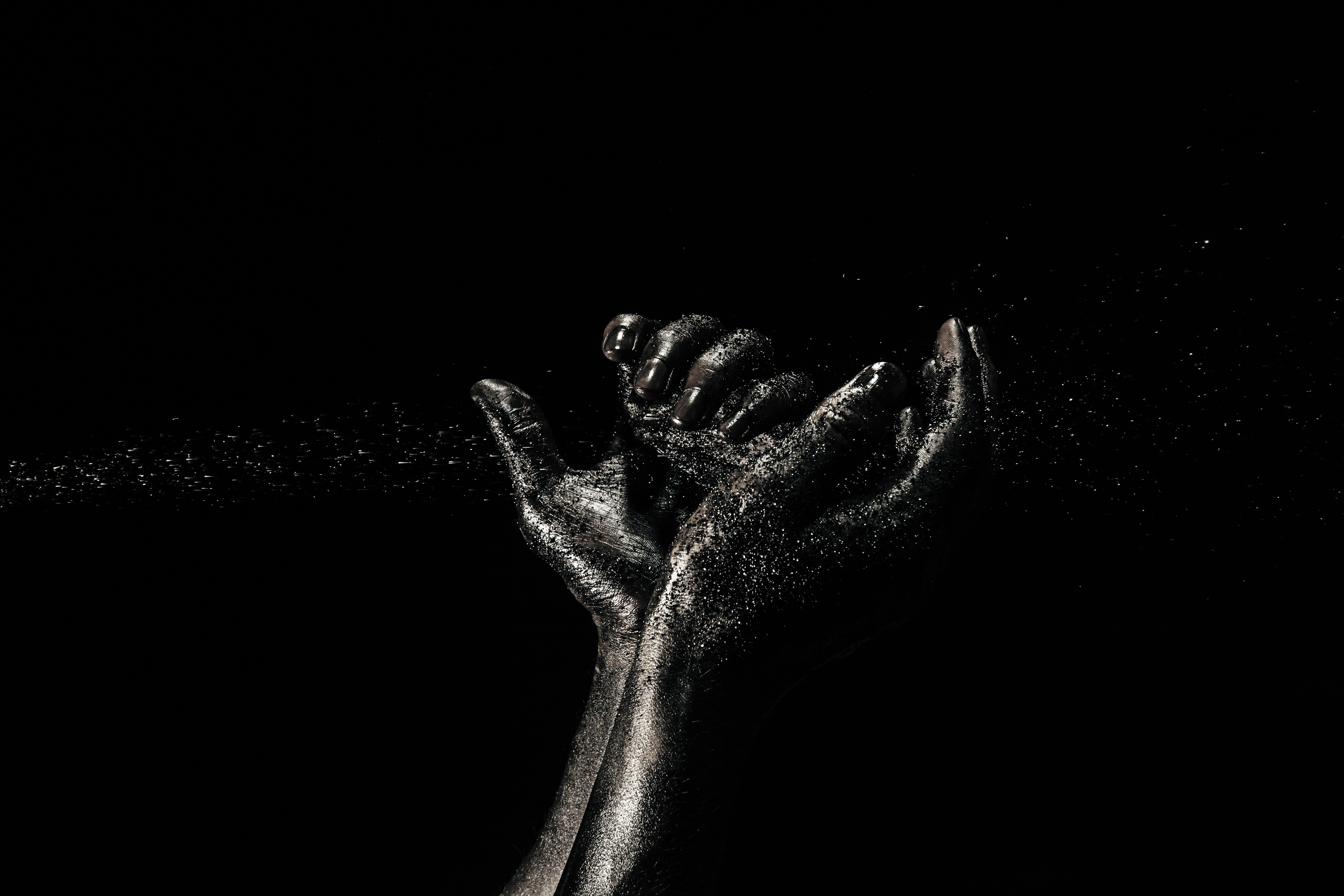
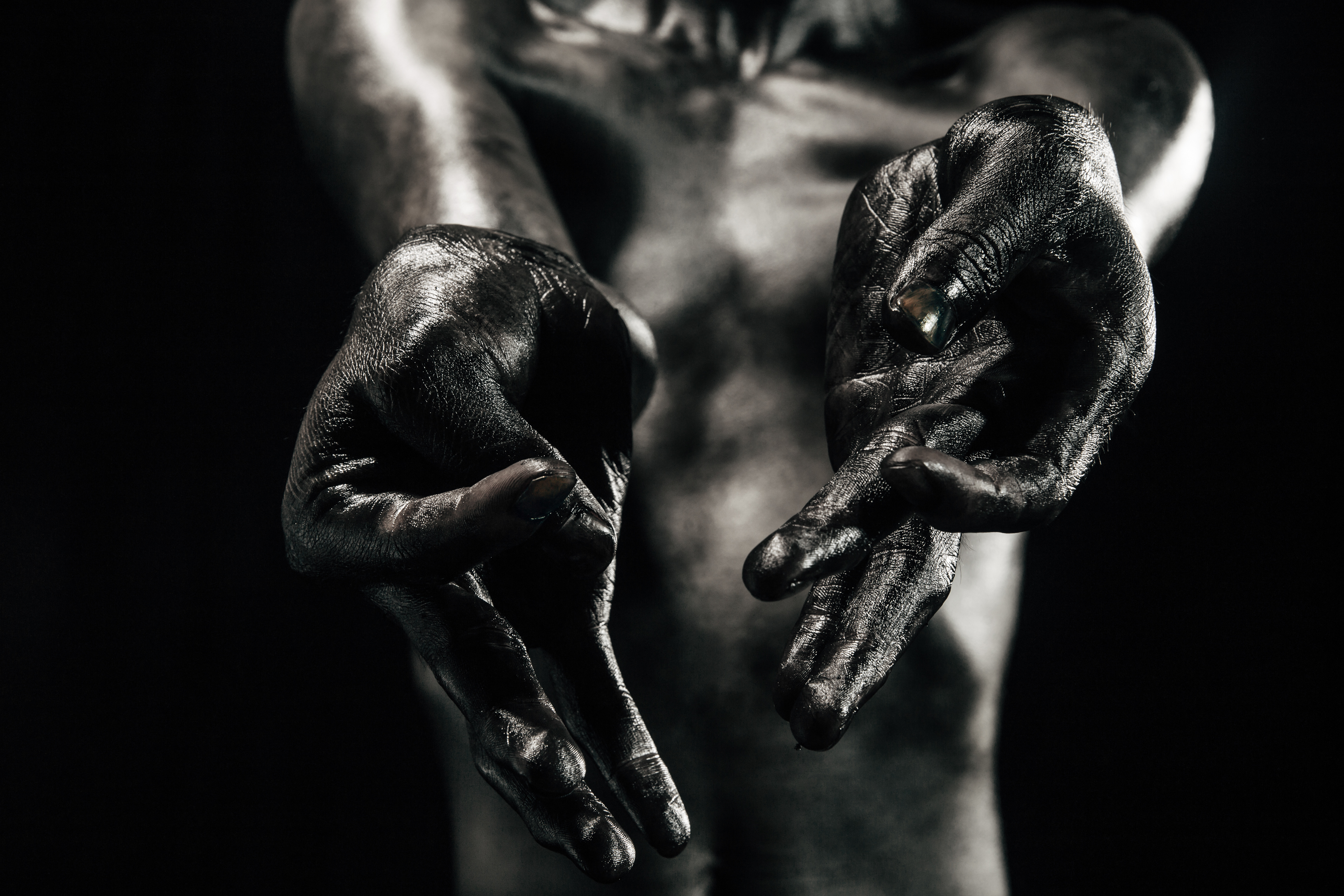
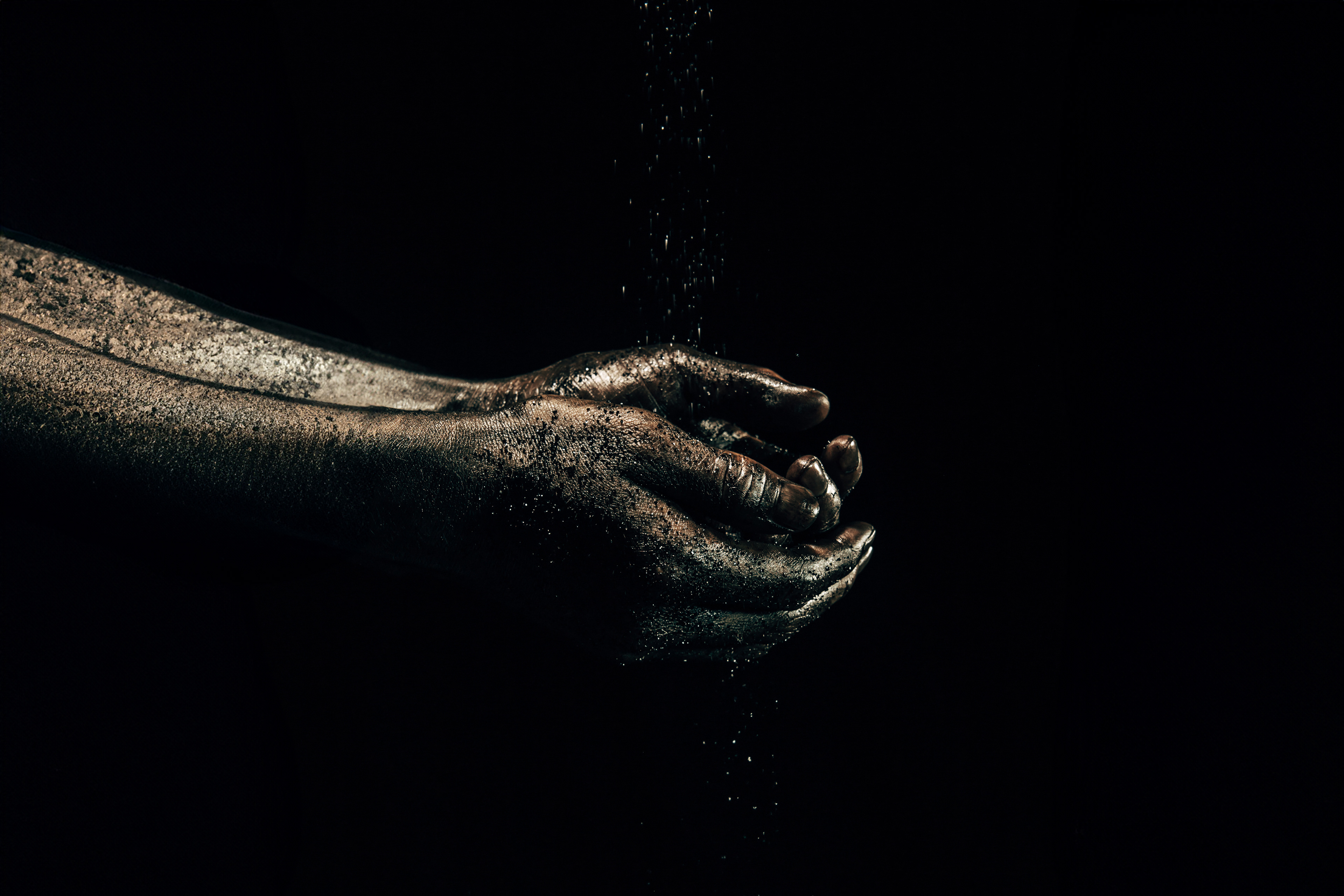
For the second part of our project with Norihito Ishii, we ventured into a contrasting visual theme, creating a series with an all-black backdrop and Ishii's body painted in black. This choice was not intended to convey any form of racial comment but was inspired by the concept that within order lies chaos. Although we captured a series of images, we carefully considered the potential for public sensitivity and chose not to publish them, except for one image deemed appropriate, showcasing only hands.
For the second part of our project with Norihito Ishii, we ventured into a contrasting visual theme, creating a series with an all-black backdrop and Ishii's body painted in black. This choice was not intended to convey any form of racial comment but was inspired by the concept that within order lies chaos. Although we captured a series of images, we carefully considered the potential for public sensitivity and chose not to publish them, except for one image deemed appropriate, showcasing only hands.
This black-on-black concept was particularly challenging yet profoundly beautiful to execute. Lighting played a crucial role in this setup; we utilized oil to create reflections even amidst darkness, and incorporated stone-like textures to add depth and dimension. The complexity of lighting required precise angles to highlight the oily sheen and textured details effectively.
In contrast, the white-on-white series was illuminated more straightforwardly, allowing shadows to naturally introduce elements of "chaos" into the orderly setup. The black-on-black series, however, demanded meticulous attention to detail, making it a uniquely memorable experience. This exploration into the interplay of light, texture, and color further enriched our visual narrative, adding layers of meaning to Ishii's portrayal of yin and yang through dance.